Communication is the most complex and elevating achievement of human beings. Most people spend up to 70 percent of our waking hours engaged in some form of communication. Listening and responding to the messages of others occupies much of this time; the rest is taken up by talking, reading, and writing. An additional consideration is the rich assortment of nonverbal cues humans share, which also constitute a form of communication. All together, the stream of verbal and nonverbal information that bombards our senses is ...
Read More
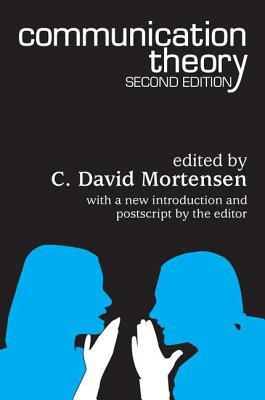
Communication is the most complex and elevating achievement of human beings. Most people spend up to 70 percent of our waking hours engaged in some form of communication. Listening and responding to the messages of others occupies much of this time; the rest is taken up by talking, reading, and writing. An additional consideration is the rich assortment of nonverbal cues humans share, which also constitute a form of communication. All together, the stream of verbal and nonverbal information that bombards our senses is composed of as many as 2,000 distinguishable units of interaction in a single day. The kinds of interaction change constantly: morning greetings, cereal labels, bus signs, charts, traffic lights, hate stares, graffiti, coffee shop chat, gestures, laughter, and head nods: The themes are endless. All of this constitutes subject matter for the study of communication.The book seeks to acquaint students with a basic understanding of the process of human communication. The breadth and scope of subject matter is adaptable to a number of approaches to the first course in communication, whether theoretical, practical, contemporary, or traditional in orientation.The framework of this book introduces five topics of central interest to the field of communication theory. Part I describes the process of communication as it unfolds in face-to-face environments. Part II considers the symbolic significance of interpersonal behavior. Part III examines the organization of communicative acts and shows why human interactions tend to become more synchronous over time. Part IV explores the complex problem of understanding other people, demonstrating the tendency of understanding to become intersubjective. Part V accounts for the communicative significance of several basic human environments--communities, organizations, media, institutions, and culture.
Read Less
Add this copy of Communication Theory to cart. $59.46, new condition, Sold by Booksplease rated 4.0 out of 5 stars, ships from Southport, MERSEYSIDE, UNITED KINGDOM, published 2007 by Routledge.
Add this copy of Communication Theory to cart. $63.86, new condition, Sold by GreatBookPrices rated 4.0 out of 5 stars, ships from Columbia, MD, UNITED STATES, published 2007 by Routledge.
Choose your shipping method in Checkout. Costs may vary based on destination.
Seller's Description:
New. Trade paperback (US). Glued binding. 477 p. Contains: Figures. In Stock. 100% Money Back Guarantee. Brand New, Perfect Condition, allow 4-14 business days for standard shipping. To Alaska, Hawaii, U.S. protectorate, P.O. box, and APO/FPO addresses allow 4-28 business days for Standard shipping. No expedited shipping. All orders placed with expedited shipping will be cancelled. Over 3, 000, 000 happy customers.
Add this copy of Communication Theory to cart. $63.87, new condition, Sold by Ingram Customer Returns Center rated 5.0 out of 5 stars, ships from NV, USA, published 2007 by Routledge.