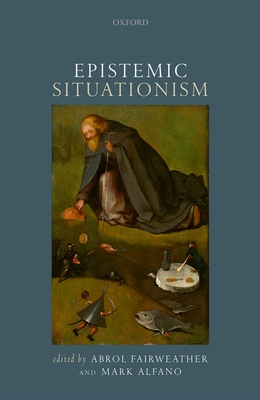
This volume is the first sustained examination of epistemic situationism: the clash between virtue epistemology and the situationist hypothesis inspired by research in empirical psychology. Situationism began as a challenge to the psychology of character traits, targeting ethical theories that presuppose a trait psychology. Psychological research suggests that (often trivial) environmental variables have greater explanatory power than character traits. Epistemology pursues questions about the nature of knowledge. While ... Read More
This volume is the first sustained examination of epistemic situationism: the clash between virtue epistemology and the situationist hypothesis inspired by research in empirical psychology. Situationism began as a challenge to the psychology of character traits, targeting ethical theories that presuppose a trait psychology. Psychological research suggests that (often trivial) environmental variables have greater explanatory power than character traits. Epistemology pursues questions about the nature of knowledge. While there are internal differences within virtue epistemology between responsibilists and reliabilists, they all analyze knowledge in terms of epistemic virtues and vices. However, despite promising normative results, virtue epistemology appears to assume the same character-based psychology as virtue ethics does. Until recently, virtue epistemology and situationism were separate literatures, but philosophers have begun to examine the apparent incompatibility between situationist psychology and virtue epistemology. Much of the psychological research that raises questions about the empirical adequacy of the moral psychology of virtue ethics also appears to raise doubts about the empirical adequacy of the epistemic psychology assumed by virtue epistemology. Responsibilist virtue epistemology appears particularly vulnerable because epistemic virtues like open mindedness, conscientiousness and intellectual courage are traits of intellectual character, but reliabilist virtue epistemology appeals to the psychology of cognitive skills, abilities, and competences that may be similarly vulnerable. The essays in this volume take up this new problem of epistemic situationism from multiple points of view - some sceptical or revisionary, others conservative. Read Less
Add this copy of Epistemic Situationism to cart. $86.08, good condition, Sold by Anybook rated 5.0 out of 5 stars, ships from Lincoln, UNITED KINGDOM, published 2017 by Oxford University Press.
Choose your shipping method in Checkout. Costs may vary based on destination.
Seller's Description:
This is an ex-library book and may have the usual library/used-book markings inside. This book has hardback covers. In good all round condition. No dust jacket. Please note the Image in this listing is a stock photo and may not match the covers of the actual item, 600grams, ISBN: 9780199688234.
Add this copy of Epistemic Situationism to cart. $165.56, new condition, Sold by Booksplease rated 4.0 out of 5 stars, ships from Southport, MERSEYSIDE, UNITED KINGDOM, published 2017 by Oxford University Press.