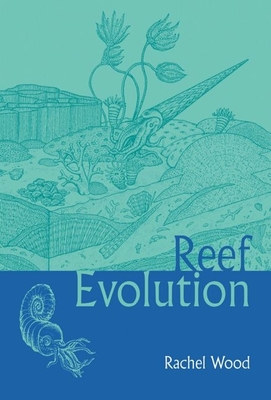
If one does not understand the biology of the coral reef, one does not understand the reef at all. So, using more than 250 illustrations and specially drawn ecological reconstructions of reef communities, Rachel Wood provides a unique evolutionary approach to the understanding of ancient coral reef ecosystems. Marine organisms have aggregated to form reefs for over 3.5 billion years--creating the largest biologically constructed feature on earth, some visible from space. However, their study has been largely descriptive. ...
Read More
If one does not understand the biology of the coral reef, one does not understand the reef at all. So, using more than 250 illustrations and specially drawn ecological reconstructions of reef communities, Rachel Wood provides a unique evolutionary approach to the understanding of ancient coral reef ecosystems. Marine organisms have aggregated to form reefs for over 3.5 billion years--creating the largest biologically constructed feature on earth, some visible from space. However, their study has been largely descriptive. Reef Evolution , documents the fundamental biological processes and innovations which have molded the evolution of reef ecosystems and given rise to the highly complex communities found today. The appearance of clonality, the acquisition of photosymbiosis, and the radiation of predator groups are all discussed in depth. Data from the fossil record documents the evolutionary development of reef ecosystems. Although reefs only occupy a small percentage of the oceans, their importance to the marine environment is many-faceted and global. They create harbors and allow the development of shallow basins with associated mangrove or seagrass communities; they protect coastlines from erosion; are involved in the regulation of atmospheric carbon, which in turn contributes to climate control. can provide extensive oil and gas reservoirs. From a biological standpoint, however, the great significance of reefs lies in their ability to generate and maintain a substantial proportion of tropical marine biodiversity. This unique interdisciplinary approach provides students and researchers in evolution, marine biology, ecology, paleontology, biodiversity, and geology with a text that will allow them to truly understand the biological innovations which have molded the evolution of coral reefs and given rise to the highly complex communities found today.
Read Less
Add this copy of Reef Evolution to cart. $49.00, good condition, Sold by bookbooth rated 5.0 out of 5 stars, ships from Berea, OH, UNITED STATES, published 1999 by Oxford University Press.
Choose your shipping method in Checkout. Costs may vary based on destination.
Seller's Description:
Good. 6 1/2" x 9 1/2" Ex-library w/usual stamps & stickers. Pages clean; binding tight; minor wear to covers. 414 pages. Illustrated. Examines the evolutionary development of reef ecosystems.
Add this copy of Reef Evolution to cart. $49.47, good condition, Sold by Tracey's Book Shelf, LLC rated 5.0 out of 5 stars, ships from Rocky Mount, NC, UNITED STATES, published 1999 by Oxford University Press.
Add this copy of Reef Evolution to cart. $111.18, good condition, Sold by Bonita rated 4.0 out of 5 stars, ships from Santa Clarita, CA, UNITED STATES, published 1999 by Oxford University Press.
Add this copy of Reef Evolution to cart. $134.66, new condition, Sold by GridFreed rated 5.0 out of 5 stars, ships from San Diego, CA, UNITED STATES, published 1999 by Oxford University Press.
Add this copy of Reef Evolution to cart. $157.50, new condition, Sold by Just one more Chapter rated 4.0 out of 5 stars, ships from Miramar, FL, UNITED STATES, published 1999 by Oxford University Press.
Add this copy of Reef Evolution to cart. $166.83, new condition, Sold by Booksplease rated 4.0 out of 5 stars, ships from Southport, MERSEYSIDE, UNITED KINGDOM, published 1999 by Oxford University Press, USA.